A Fungal Funk
Recently, my evening drives around the (south) Midwest have included a severe amount of swerving.
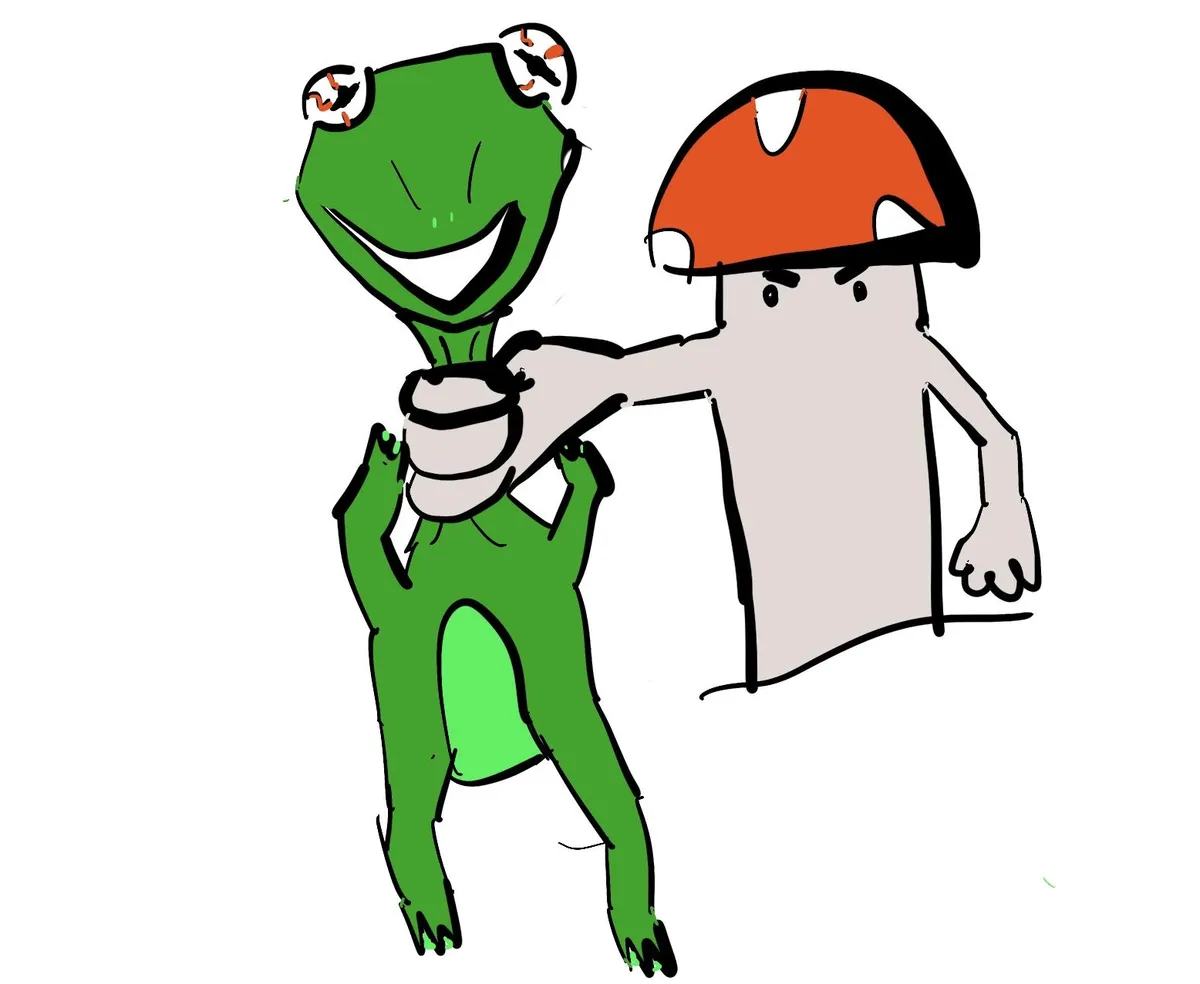
While you might think this is in relation to our high rates of DUI's, It’s actually a nod to the large number of fat ass toads in the road.
This is not to body shame, however, as swarms of June bugs have been leaving them a juicy buffet. While this litany of geckos, frogs, and slimy serpentines has interrupted my evening drives, they’ve been good for my mood.
That’s until I remembered chytridiomycosis.
What the funk (heh) is that? Well, it's a veritable zombie apocalypse of an infection currently affecting almost all species of amphibians across what seems to be all continents. (except Antarctica, but the lack of amphibians there probably has something to do with that)
According to Daszak Et al., in a 1999 (older than me btw) article, the emergent parasitic infection at the time had recently emerged on two continents, and in our modern world that’s spread to six.
The disease is a fungal infection, one that is especially good at getting into the porous respiratory skin of many amphibians. If you recall your grade-level biology classes, frogs are amphibians, meaning they can survive in water and on land. This is facilitated by their skin, which allows them to filter oxygen and other nutrients directly from the water onto their skin.
The fungal infection begins to eat the keratin in the skin. It grows over their bodies, leaving them unable to breathe until they eventually asphyxiate.
Why is this a problem now? Well, I'd like to nod to this meme:
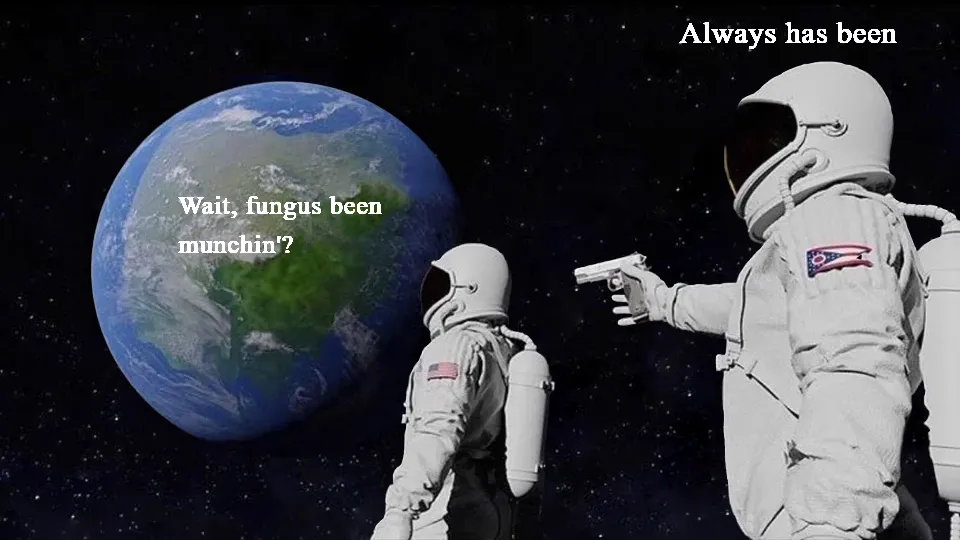
As with most ecological problems, even the most natural-seeming impacts have led back to us. The fungus (Batrachochytrium salamandrivorans) has existed in South Africa for a while and was likely carried throughout the world due to the international pet trade, where the fungus was allowed to spread through interspecies contact.
Amphibians are one of the largest predators of insect populations in the world. They are also easy and consistent prey for all manner of predators, including birds. These two classes are also having huge worldwide declines, and it's easy to see how they might impact one another.
It's easy to forget when we see pictures of burning forests, roadkill, and hungry polar bears, but the foundation that holds up any system is usually the little guy.
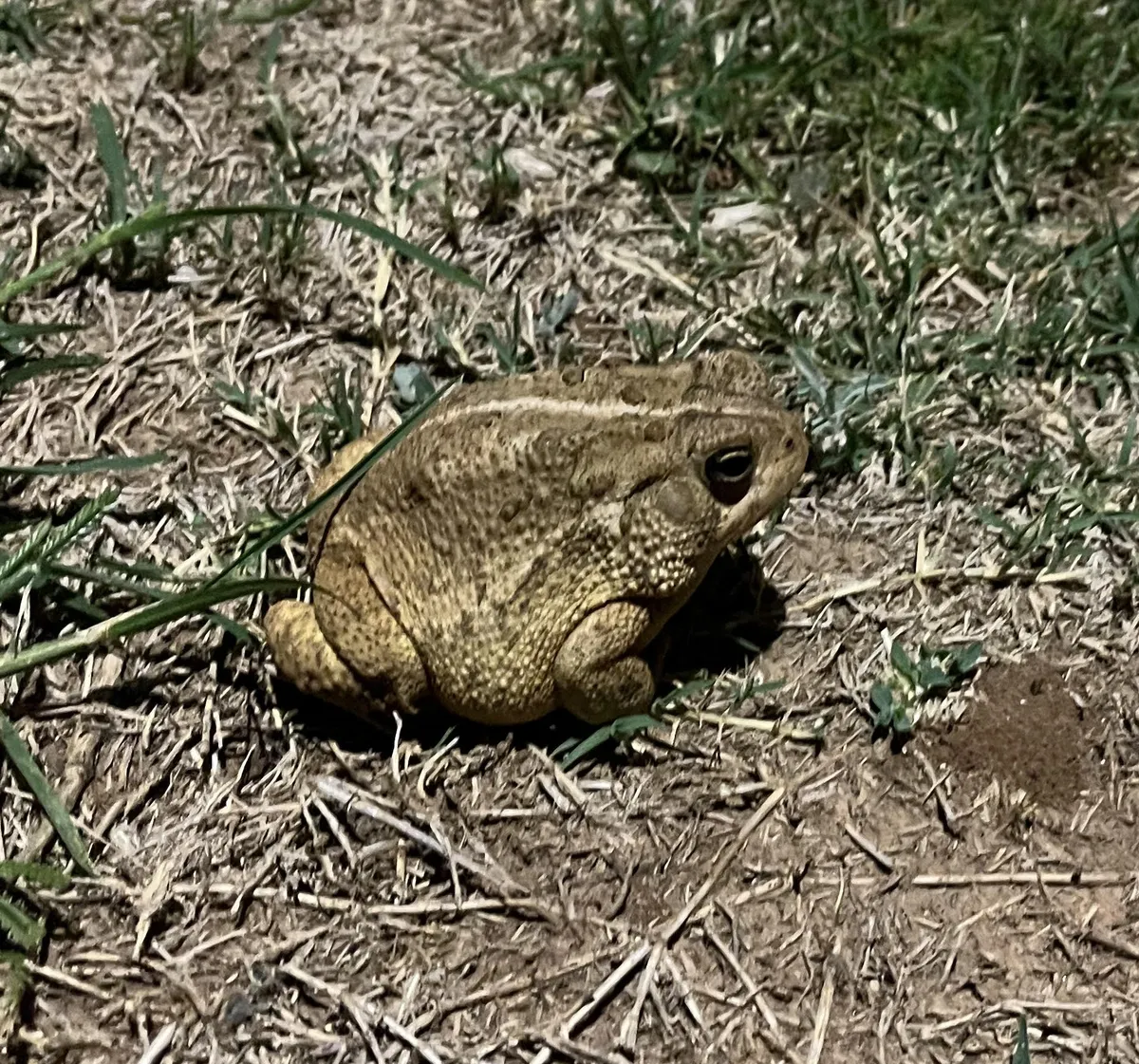
There were toads on the road
As I drove home.
Burning gas that we both
Owe to our past.
It's an ancestral smoke.
At times I look ahead
Wondering who
Will be able to breathe
And who will choke
In the flames we stoke.
-Soarin
Reference Quicklinks-
Mosquito eating
The best reference
1999 Paper
Origins of the fungus
Science Citations-
Daszak, P., Berger, L., Cunningham, A. A., Hyatt, A. D., Green, D. E., & Speare, R. (1999). Emerging infectious diseases and amphibian population declines. Emerging infectious diseases, 5(6), 735–748. https://doi.org/10.3201/eid0506.990601
Weldon, C., du Preez, L. H., Hyatt, A. D., Muller, R., & Spears, R. (2004). Origin of the amphibian chytrid fungus. Emerging infectious diseases, 10(12), 2100–2105. https://doi.org/10.3201/eid1012.030804